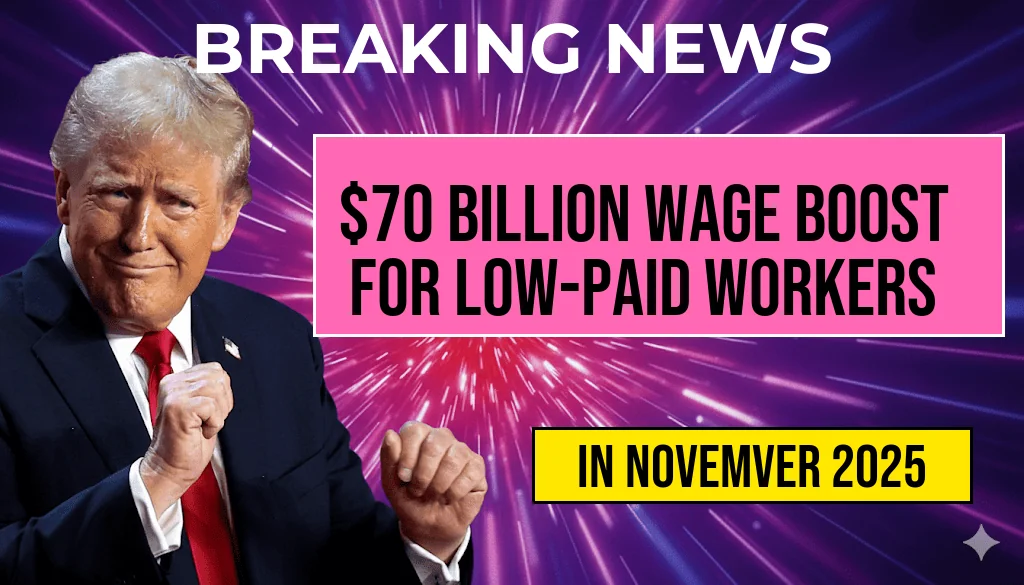
Could a Raise in the Minimum Wage Be the Answer to Low Income Struggles?
In the ever-evolving landscape of the American economy, many low-paid workers find themselves grappling with a troubling question: how can they make ends meet in a world where inflation and costs relentlessly surge? For millions of citizens, the struggle to afford basic necessities feels increasingly insurmountable. Recent proposals indicate a potential path forward, suggesting an additional $70 billion wage gain by 2025 if new minimum wage legislation gets the green light. But what does this mean for low-income worker wage boost and the broader economy?
When minimum wage debates surface in Congress, they’re rarely straightforward. The federal minimum wage raise in the USA has long been a contentious issue, aimed at addressing glaring disparities in income. Advocates argue that raising the minimum wage could enhance the financial stability of the working class, while opponents warn of potential job losses and negative economic fallout. Regardless of the arguments, that looming $70 billion labor benefit plan offers a glimmer of hope for many families.
Decoding the Economic Effects of Wage Increases
The potential economic effect of a wage increase runs deeper than just a bigger paycheck. For individuals, a wage boost could mean more disposable income, leading to better living standards. For families, it may open up opportunities for education and healthcare, which can drive upward mobility. The ripple effects might, just maybe, stimulate consumer spending. More money in the pockets of workers? That spells a higher demand for goods and services.
| Year | Projected Wage Increase | Economic Impact |
| 2024 | $15/hour | Increase in consumer spending by 3% |
| 2025 | $17/hour | $70 billion wage gain and a decrease in poverty levels |
Still, it’s not just about numbers on a page; these hikes could genuinely reshape communities. However, some economists raise eyebrows at the prospect. They worry about inflation and whether raising the minimum wage will lead to increased costs for businesses. There are complex layers to consider. But making lives easier for lower-income families often carries its weight in gold.
The Legislative Landscape and Ongoing Wage Reform Debate
As Congress debates wage reform, public sentiment seems to waver between hope and skepticism. Recent surveys show a significant number of Americans supporting minimum wage hikes, viewing them as essential for working-class income growth in 2025. But the path is historically fraught with challenges. Bills proposed in the past have faced fierce opposition, often landing in legislative limbo.
Critics of minimum wage increases often argue that small businesses may struggle to absorb the additional costs, risking layoffs or even closures. So, many advocates propose a gradual approach, suggesting that providing businesses time to adapt could mitigate shockwaves through the economy. Yet delays in implementation can feel frustrating for those eagerly awaiting a paycheck bump. It’s a delicate balancing act, one that seems to involve all sorts of backdoor deals and political maneuvering.
Tracking Income Distribution Changes in 2025
With the prospect of a wage increase looming, an income distribution report for 2025 offers fascinating insights. Economists suggest that if this minimum wage approval bill passes, we could see significant shifts in income levels among American households. Those at the bottom of the income ladder stand to gain the most. It’s estimated that as many as 27 million workers could see their wages rise by up to $2,100 annually if the legislation succeeds.
| Income Bracket | Current Median Income (2023) | Projected Median Income (2025) |
| Lowest 20% | $18,000 | $20,100 |
| Middle 20% | $52,000 | $57,500 |
That might sound dry, but think about how many people that would affect. Families could afford to save a bit for emergencies—or have more access to quality food and healthcare. And let’s be real, that’s crucial.
The Path Forward: Implications for Workers and Economy
Navigating through this complex web of legislation and economic implications speaks volumes about the future of low-paid workers. Raising the federal minimum wage could indeed be a lifeline, especially as families face dire cost-of-living increases. But critics aren’t all just naysayers; their concerns about inflation cannot simply be brushed aside.
Now, when you consider that a living wage improvement program might kickstart surface-level economic changes, it’s vital to keep an eye on those deeper currents too. While it’s tempting to think only about the paycheck, we have to recognize the broader economic context.
In the grand scheme of things, a successful minimum wage bill could make a significant impact on socioeconomic disparities. It may not fix every problem, but it creates a foundation. It starts a necessary conversation on what our society values. Imagine struggling families experiencing a sense of hope, that maybe things won’t always be this tough.
Whether you’re for or against the wage hikes, remember—these discussions shape real lives. And that’s a pretty profound thought, isn’t it?
With new political maneuvering and public sentiment continuing to shift, 2025 could be a pivotal year for millions of workers across the nation. Here’s hoping for a future where everyone can afford their own piece of the American dream.
Frequently Asked Questions
What is the expected impact of the new minimum wage legislation?
The new minimum wage legislation is projected to generate an additional $70 billion in wages for low-paid workers.
Who will benefit from the minimum wage increase?
The increase will primarily benefit low-paid workers, helping to improve their income and overall living standards.
When is the minimum wage legislation expected to take effect?
The specific timeline for the implementation of the minimum wage legislation is still under discussion, but it aims for a swift rollout.
What are the arguments in favor of raising the minimum wage?
Proponents argue that raising the minimum wage will reduce poverty, boost consumer spending, and promote economic growth.
Are there any potential downsides to the minimum wage increase?
Some critics argue that raising the minimum wage could lead to job losses or increased prices for consumers.

Caldwell is an accomplished journalist with over a decade of experience in investigative reporting and editorial writing. With a keen eye for detail and a relentless pursuit of truth, he has contributed to numerous prominent publications, covering a wide range of topics from politics and social issues to technology and environmental concerns. Caldwell’s work has not only earned him accolades from his peers but has also resonated with readers, reflecting his commitment to delivering well-researched and thought-provoking narratives. His ability to distill complex issues into accessible prose has made him a trusted voice in the media landscape.
Driven by an insatiable curiosity, Caldwell is always on the lookout for untold stories that shed light on the human experience. He approaches every assignment with professionalism and integrity, believing that journalism plays a vital role in fostering informed communities. Caldwell’s dedication to ethical reporting and his passion for connecting with diverse voices have established him as a respected figure in the industry. Outside of his writing, he enjoys engaging with audiences through speaking events and workshops, sharing his insights on the evolving nature of journalism and the importance of truth in today’s society.